
Compare NBR, FKM, and PU seals for steering gear and hydraulic cylinders, with practical guidance for international industrial sourcing.
Seal sourcing is rarely as simple as matching an outside diameter. Importers and equipment manufacturers must also consider pressure, temperature, fluid compatibility, motion type, and installation space. A clear specification reduces sampling delays and helps suppliers recommend the right material for each assembly.
Match the Seal to the Working Environment
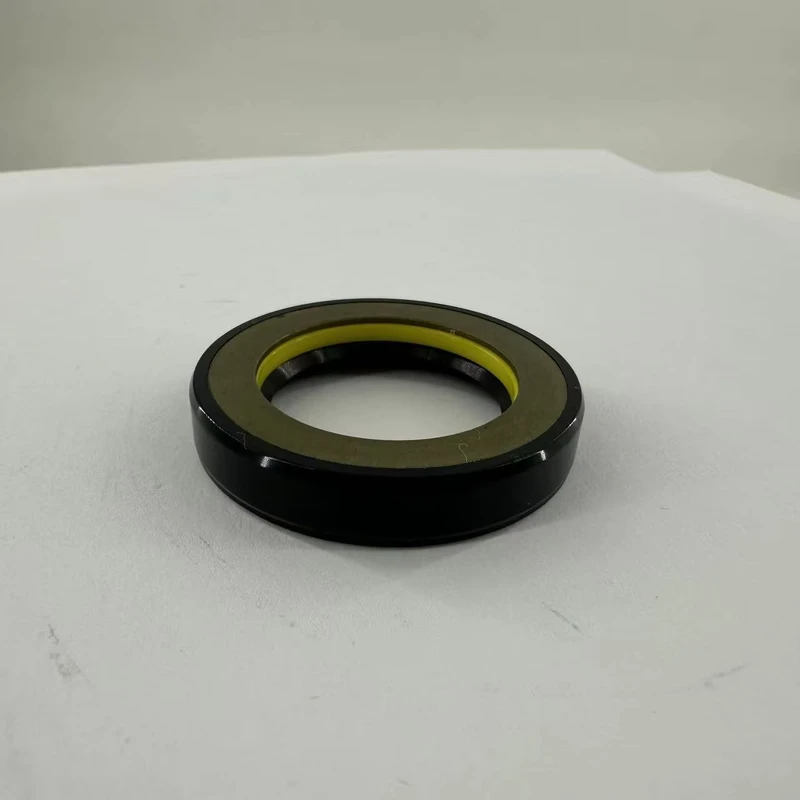
For steering gear systems, the 30 × 46 × 8.5 oil seal provides a defined option for automotive, machinery, electrical equipment, and pump applications. Its NBR construction offers oil resistance and corrosion resistance, while the fixed dimensions simplify replacement-part purchasing when the housing and shaft measurements are already confirmed.
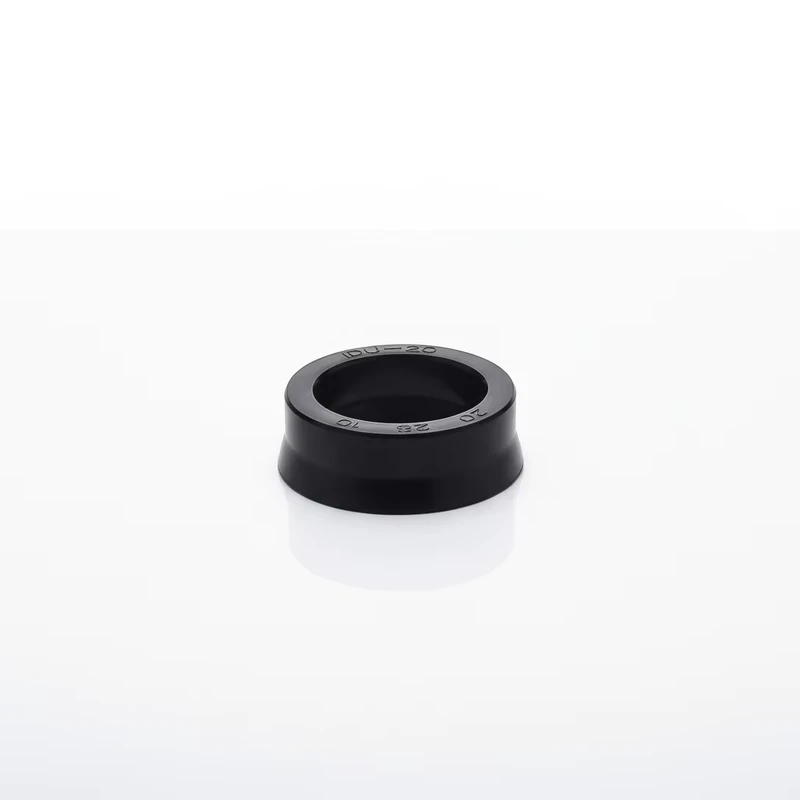
Hydraulic cylinder buyers facing wider temperature requirements can consider the IDU rod seal. It is available in NBR or FKM, with standard and customized sizes and a stated operating range of −30°C to 200°C. Because actual performance depends on the selected compound and hydraulic medium, buyers should provide fluid type, operating temperature, rod diameter, and groove dimensions before ordering.
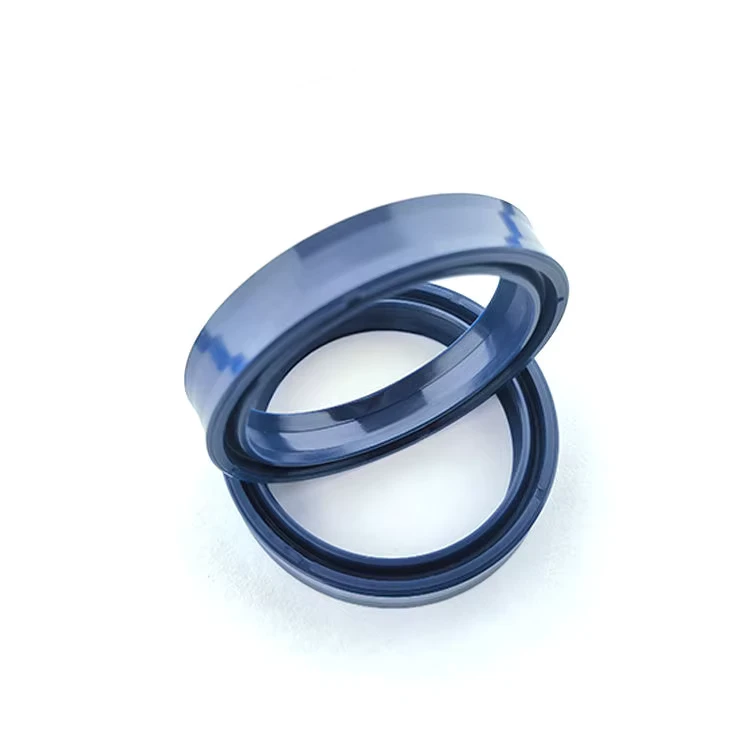
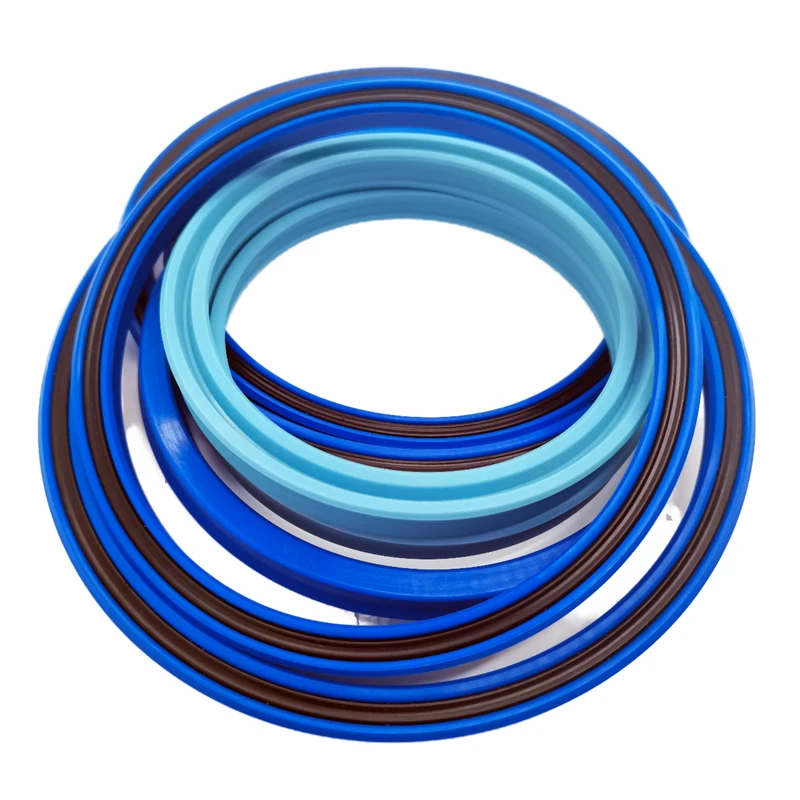
For demanding reciprocating systems, the PU U-cup seal is designed for engineering machinery and industrial equipment. Standard or customized dimensions are available, with pressure specifications up to 40 MPa. Its polyurethane construction makes it a practical candidate where wear resistance and stable sealing under hydraulic pressure are important.
What Procurement Teams Should Confirm
Before requesting a quotation, prepare the seal profile, dimensions, tolerances, pressure range, temperature range, medium, expected quantity, and packaging requirements. Certification requirements such as ISO 9001 or RoHS should also be stated clearly. Buyers comparing additional configurations can review the wider sealing parts range.
For wholesale, distribution, OEM, or project purchasing, send your technical drawing or complete operating parameters. This allows the supplier to verify material and size compatibility and provide a more accurate quotation.